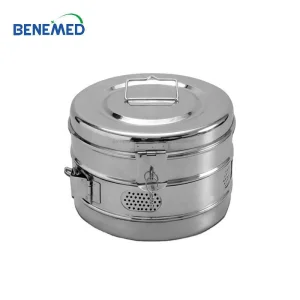
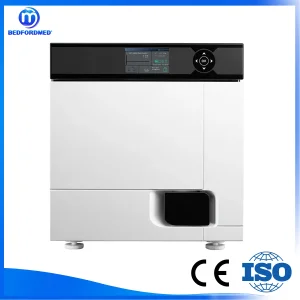
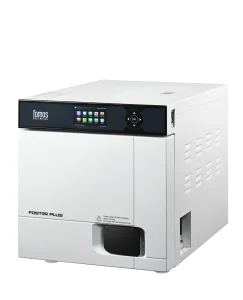
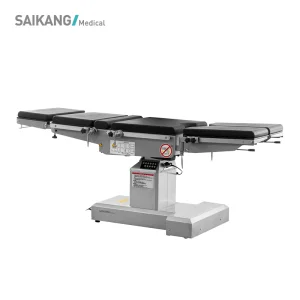
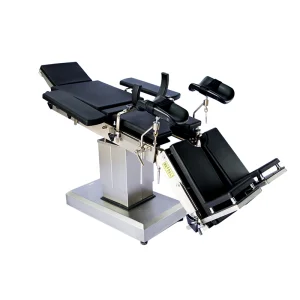
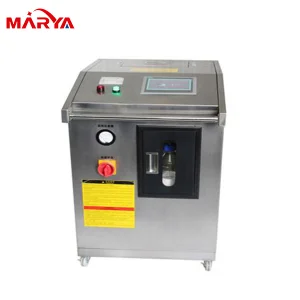
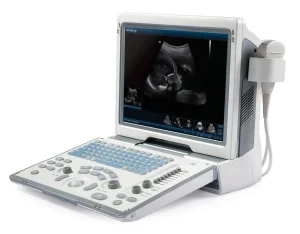
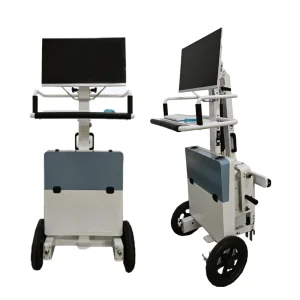
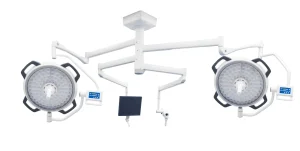
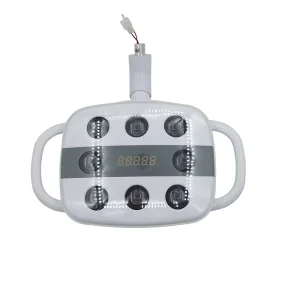
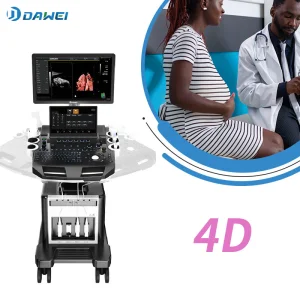
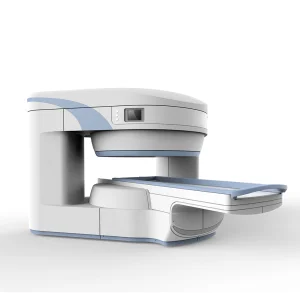
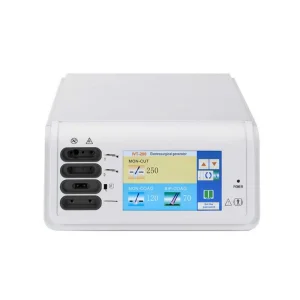
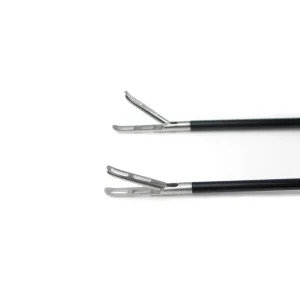
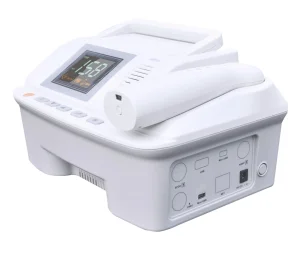
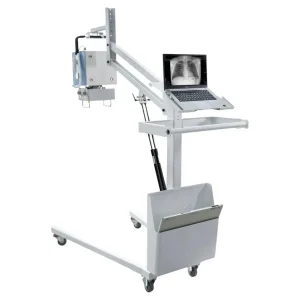
Featured surgical theater configurations, autoclave sterilization, and imaging devices from our advanced product line.
Inadvertent perioperative hypothermia (IPH) remains one of the most common yet preventable complications of general and regional anesthesia. Characterized as a drop in patient core body temperature below 36.0°C (96.8°F), IPH is triggered by anesthesia-induced thermoregulatory impairment, vasodilation, and cool operating room microclimates. The clinical consequences are severe, spanning a three-fold increase in surgical site infections (SSIs), prolonged drug recovery windows, elevated cardiovascular incident risk, and heightened postoperative coagulopathy.
To combat this, clinical teams worldwide rely on active Patient Warming Systems. Selecting the right global manufacturing partner goes beyond basic thermal output; it requires evaluating filtration systems, laminar flow compatibility in joint replacement theatres, safety sensor redundancy, and global regulatory clearance (FDA 510(k), CE MDR, and ISO 13485).
The patient warming systems sector is transitioning from standard forced-air warming (FAW) to specialized conductive, resistive polymer, and hybrid systems. These shifts are driven by several key factors:
Traditional forced-air warmers blow hot air that can disrupt the laminar airflow vectors in clean-room orthopedic surgeries. Modern suppliers are engineering low-velocity convective blankets or closed-loop resistive systems to maintain ultra-sterile operation theatre (OT) conditions.
Integrating semi-conductive polymer fabrics allows for silent, reusable, and zero-airflow warming. This eliminates disposable waste, lowering the total cost of ownership (TCO) for hospitals while meeting high sustainability standards.
Next-generation warming controllers integrate real-time core temperature telemetry. By linking patient probes directly to the warming console, the system automatically fine-tunes temperature settings without requiring clinician intervention.
For hospital supply chain managers and Group Purchasing Organizations (GPOs), selecting a clinical warming system vendor involves balancing budget and clinical needs. Buyers should evaluate key areas:
| Warming Technology | Clinical Pros | Infection Control Impact | Consumables & TCO Profile |
|---|---|---|---|
| Forced-Air Warming (FAW) | Fast heat transfer, highly effective. | Requires HEPA filtration to prevent micro-particle disruption. | High recurring cost (single-use disposable blankets). |
| Resistive Polymer Blanket | Completely silent, zero convective airflow. | Washable outer covers, low contamination risk. | High initial cost; negligible recurring consumable costs. |
| Circulating Water Mattresses | Excellent for conductive heat transfer from below. | Risk of bacterial growth in reservoirs if not properly cleaned. | Moderate setup cost; require dedicated cleaning schedules. |
| Radiant Warming Lamps | No contact required; ideal for pediatric and neonate pods. | Minimal contact contamination risk. | High power draw; limited to stationary open procedures. |
Patient warming units do not operate in isolation. In high-efficiency operating theatres, patient warming consoles must integrate with surgical tables, overhead operating lights, fluid warming towers, and diagnostic telemetry systems.
A key trend is modern diagnostic imaging integration. Devices like MRI suites or C-arm environments require non-magnetic, low-interference warming systems. Simultaneously, high-brightness operating lights generate infrared radiant heat, which must be offset by controlled contact warming to keep the patient's temperature stable without causing localized burns.

Dongguan Suffolk Medical Co., Ltd. is a leading China-based OEM supplier specializing in smart surgical and diagnostic equipment designed to enhance hospital safety and operational efficiency. With years of experience in the healthcare technology sector, Suffolk Medical is committed to delivering high-quality solutions that support modern clinical practices and patient care standards.
The company’s product portfolio covers a wide range of equipment, including advanced surgical instruments, patient monitoring systems, diagnostic imaging devices, sterilization tools, and integrated operating theatre solutions. Each product is developed with precision engineering and rigorous quality control to ensure reliability, accuracy, and compliance with international medical standards.

Dongguan Suffolk Medical emphasizes innovation and smart technology integration. Their equipment leverages digital interfaces, automated monitoring, and energy-efficient designs to improve workflow efficiency and reduce human error in clinical environments. The company also provides tailored OEM and ODM services, enabling hospitals, clinics, and medical distributors worldwide to access customized solutions that meet specific operational requirements.
Beyond product excellence, Suffolk Medical is dedicated to customer support and after-sales service, offering professional training, maintenance guidance, and technical consultation. Their global reach spans hospitals, specialized medical centers, and diagnostic laboratories, establishing a strong reputation for trustworthiness, performance, and innovation.
As a forward-looking healthcare technology provider, Dongguan Suffolk Medical Co., Ltd. continues to advance smart surgical and diagnostic solutions, empowering medical professionals with safe, efficient, and intelligent equipment that supports better patient outcomes.
The clinical thermal management industry is moving toward personalized temperature control. Over the next decade, patient warming systems will shift from open-loop heating to predictive, closed-loop thermal platforms.
By assessing patient variables—such as age, Body Mass Index (BMI), expected surgical time, and anesthesia type—machine learning algorithms will predict heat loss profiles. The warming system can then pre-heat surfaces or blankets to offset drops in core temperature.
To reduce hospital plastic waste, manufacturers are developing bio-synthetic convective blankets. These disposable blankets perform like standard plastics but decompose in commercial compost systems within months, reducing the environmental footprint of surgical care.
Using wearable patient sensors, clinical teams can monitor a patient's temperature continuously from pre-admission, through the OR, to the PACU and general ward, ensuring consistent warming throughout the patient journey.
Exporting medical equipment globally requires navigating complex local regulations. The top patient warming system suppliers maintain certifications for different target markets, such as FDA clearances in the United States, MDR compliance in Europe, and NMPA approvals in China.
A reliable supplier must back these certifications with localized technical support. This includes providing calibrated temperature testing equipment, replacement parts, and training programs to help local biomedical engineering teams maintain equipment safety and compliance.
In-depth insights into perioperative hypothermia management, equipment compliance, and procurement best practices.
General anesthesia impairs natural thermoregulation by preventing hypothalamus-mediated shivering and vasoconstriction. This leads to peripheral vasodilation, causing heat to shift from the warm core to cooler peripheral tissues. The cold environment of the operating room and exposure to room-temperature IV fluids further accelerate this heat loss.
Clinical studies show that forced-air warmers can create thermal convection currents that rise against downward laminar airflow. In joint replacement surgeries, these currents can carry particles from below the surgical drape into the sterile field. To mitigate this, many surgeons prefer quiet, low-velocity blankets or airless, resistive conductive polymer warming systems.
Active patient warming systems must comply with IEC 60601-1 (General requirements for basic safety and essential performance) and IEC 60601-2-35 (Particular requirements for the safety of blankets, pads, and mattresses). These standards require redundant temperature cut-offs, safe low-voltage operation, and reliable alarms to prevent patient burns.
FAW systems draw in ambient operating room air, heat it, and blow it onto the patient. Because the intake air near floor level can contain skin flakes and airborne pathogens, units require high-efficiency particulate air (HEPA) filters (99.97% efficiency at 0.3 microns) to prevent blowing contaminants onto vulnerable patient areas.
While active warming blankets stop heat loss through the skin, infusing cold IV fluids directly chills the patient's circulating blood. Combining active skin warming blankets with inline fluid warmers (for infusion rates over 500 mL/hr) provides a complete thermal solution, keeping core temperatures stable and preventing sudden drops.
Explore our complete range of surgical lighting, diagnostic imaging, and veterinary care solutions.
 Suffolk Medical